Polarizers
Polarizers Optical components are designed to specifically manipulate the direction of oscillation of light waves, also known as polarization. Light, as a transverse electromagnetic wave, oscillates in all directions perpendicular to its propagation direction. A polarizer acts as a filter that only passes through light waves of a specific oscillation direction and blocks others. This selective process is based on various physical mechanisms, including absorption, reflection, refraction, and scattering.

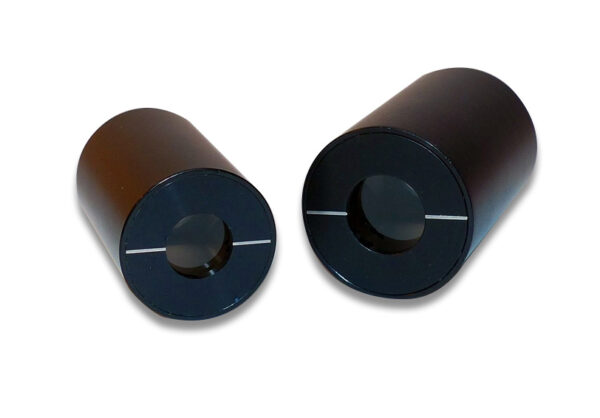
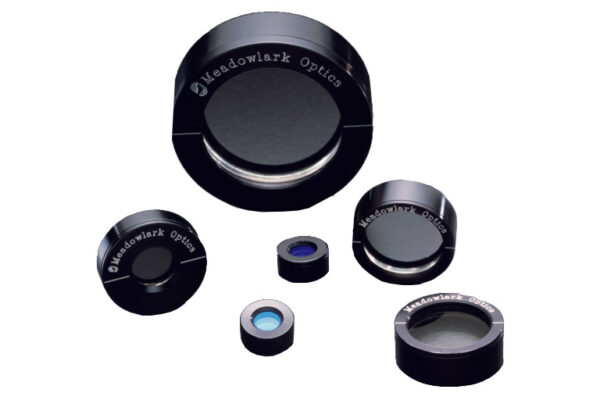
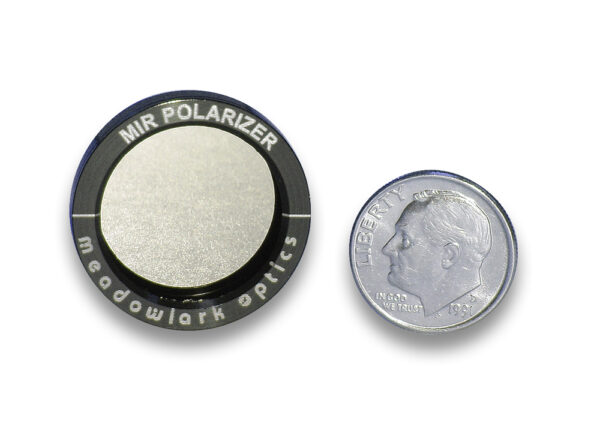
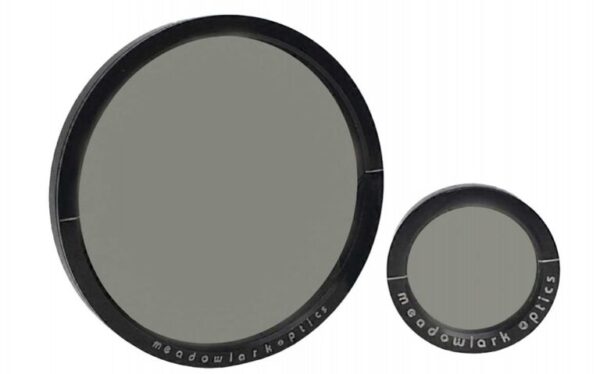
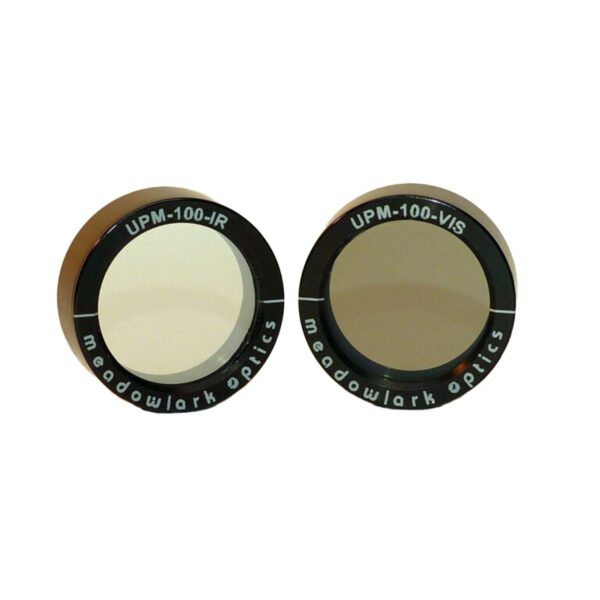
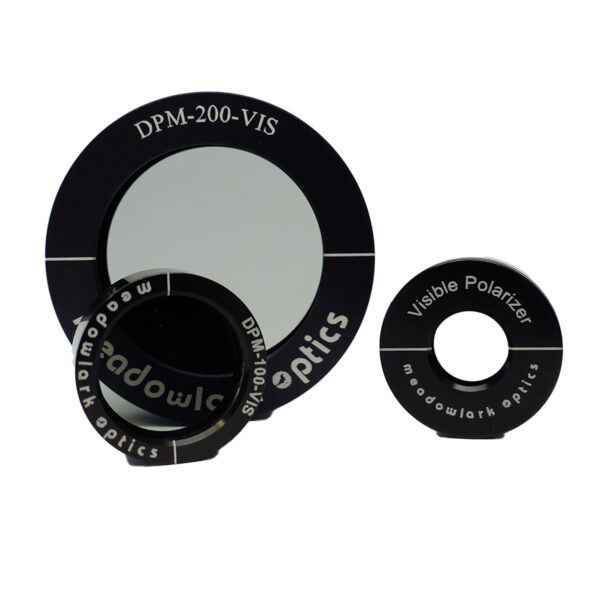
Polarizer by Meadowlark
Application in industry
The fields of application extend across numerous industries and disciplines, from industrial quality control to research using highly precise scientific instruments. For example, in LCD technology, polarizers enable the targeted control of the light transmittance of individual pixels, making the display of images and information possible. In photography, polarizers are used to reduce distracting reflections and improve contrast in photographs. Furthermore, in microscopy, polarizers aid in the study of anisotropic materials, whose optical properties depend on the polarization direction of the light. Another important field of application is laser technology, where polarizers are used to precisely control the polarization of laser beams, which is particularly crucial for applications such as material processing and optical communication.
The way a polarizer works depends on its type:


Types of polarizers
DCPs consist of a combination of linear polarizers and birefringent materials. They utilize the effect of circular birefringence, where left- and right-circularly polarized light are refracted at different intensities. Through the skillful arrangement of the components, a circular polarization component is filtered out, while the other is allowed to pass through.
These consist of two birefringent prisms that are connected to each other in such a way that they reflect a certain polarization state and transmit the other. They are characterized by a high extinction rate and good handling of high laser powers.
Linear high-contrast polarizers:
These utilize the absorption of light waves of a specific polarization direction by dichroic materials. They offer high contrast and a high extinction rate, making them ideal for applications where precise separation of polarization states is required.
These utilize the absorption of light waves by dichroic materials. However, they are optimized for particularly precise control of linear polarization and high transmission.
These are designed specifically for use in the mid-infrared (MWIR) range. They utilize the properties of materials that are birefringent in the MWIR region to manipulate the polarization of infrared radiation.
These consist of a combination of different polarizers, each optimized for different wavelength ranges. This results in uniform polarization performance across a wide spectral range.
Conclusion
The choice of the correct polarizer depends on the specific application. Therefore, factors such as wavelength range, extinction rate, contrast, transmission, and handling of high laser powers play an important role. Soliton offers a wide range of high-quality Polarizers from Meadowlark, tailored to the individual requirements of different applications.