
Types of spectroscopy
Spectroscopy is the scientific method of studying and measuring the interaction between matter and electromagnetic waves. This technique is fundamental in many fields of science and engineering as it allows the analysis of the composition and properties of materials at the molecular and atomic level. We offer a wide range of spectrometers specifically designed for different spectroscopic methods such as LIBS, MID-IR, NIR and Raman spectroscopy. In this article we provide an overview of these different types of spectroscopy and their fields of application.
1. LIBS spectroscopy (laser-induced breakdown)
LIBS spectroscopy, known as laser-induced breakdown spectroscopy, is a particularly efficient analysis method that requires no sample preparation and also offers extremely fast elemental analysis. Our LIBS spectrometers from Atom Trace use a high-energy laser to precisely vaporize and ionize a small amount of the material under investigation. This process creates a plasma that releases specific light emissions. The emissions are carefully analyzed to accurately determine the elemental composition of the sample. Thanks to their outstanding capabilities, our LIBS spectrometers are particularly suitable for rapid in-situ analyses, which are essential in fields such as metallurgy, environmental monitoring and forensics. For example, M-Trace is a mobile device with easy operation for fast on-site elemental analyses.

LIBS spectrometer
2. MID-IR spectroscopy (mid-infrared)
MID-IR spectroscopy is particularly useful for chemical identification and quantification as it can detect functional groups in molecules. Our MID-IR spectrometers from block engineering use infrared light to excite molecular vibrations, which are then detected as unique absorption patterns in the mid-infrared range. This makes them indispensable for applications in the chemical process industry, pharmaceuticals and food technology. For example, our MID-IR spectrometer is able to record an IR spectrum of over 1100 1/cm in just a few seconds. This new technology opens up additional possibilities in molecular spectroscopy and process monitoring.
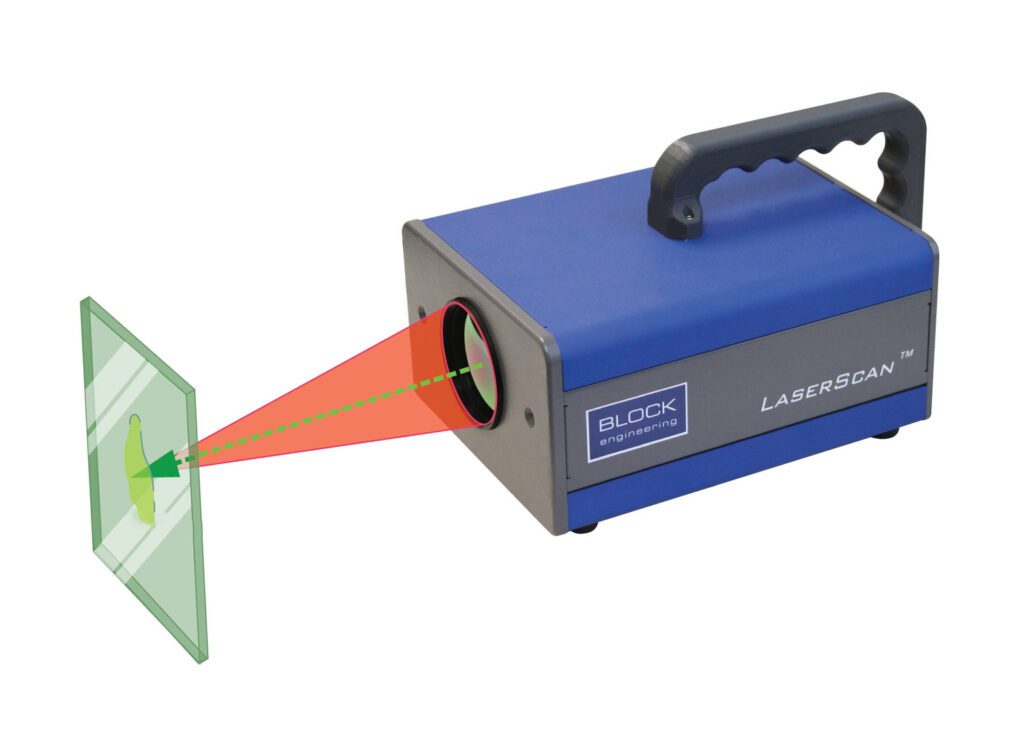
MID-IR spectrometer
3. NIR spectroscopy (near infrared)
NIR spectroscopy enables fast and non-destructive analyses and is often used for quality control in the agricultural, food and pharmaceutical industries. Our NIR spectrometers from broom rose measure the absorption of near-infrared light, which penetrates deep into the sample and provides valuable information about composition and quality. For example, the Handheld NIR spectrometers is ideal for non-destructive and contactless testing and is a powerful tool for quality control and process monitoring.
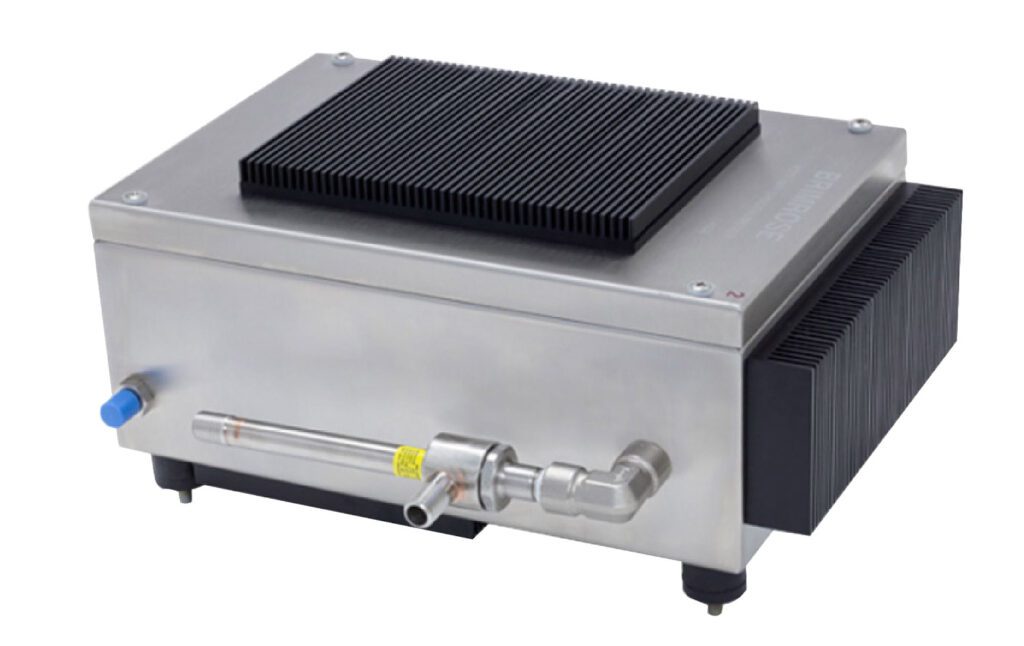
NIR spectrometer from Brimrose
4. Raman spectroscopy
Raman spectroscopy is known for its ability to provide molecular information without destroying the sample. It is based on the Raman scattering of monochromatic light, such as laser light. Our Raman spectrometers from Enwave detect the specific frequency shifts in the scattered light to identify molecular fingerprints. This technique is of great value in materials science, biomedicine and environmental technology.
The hand-held ARX MK2 from Serstech on the other hand, is a powerful, portable Raman spectrometer for material testing, incoming goods inspections and for the laboratory.
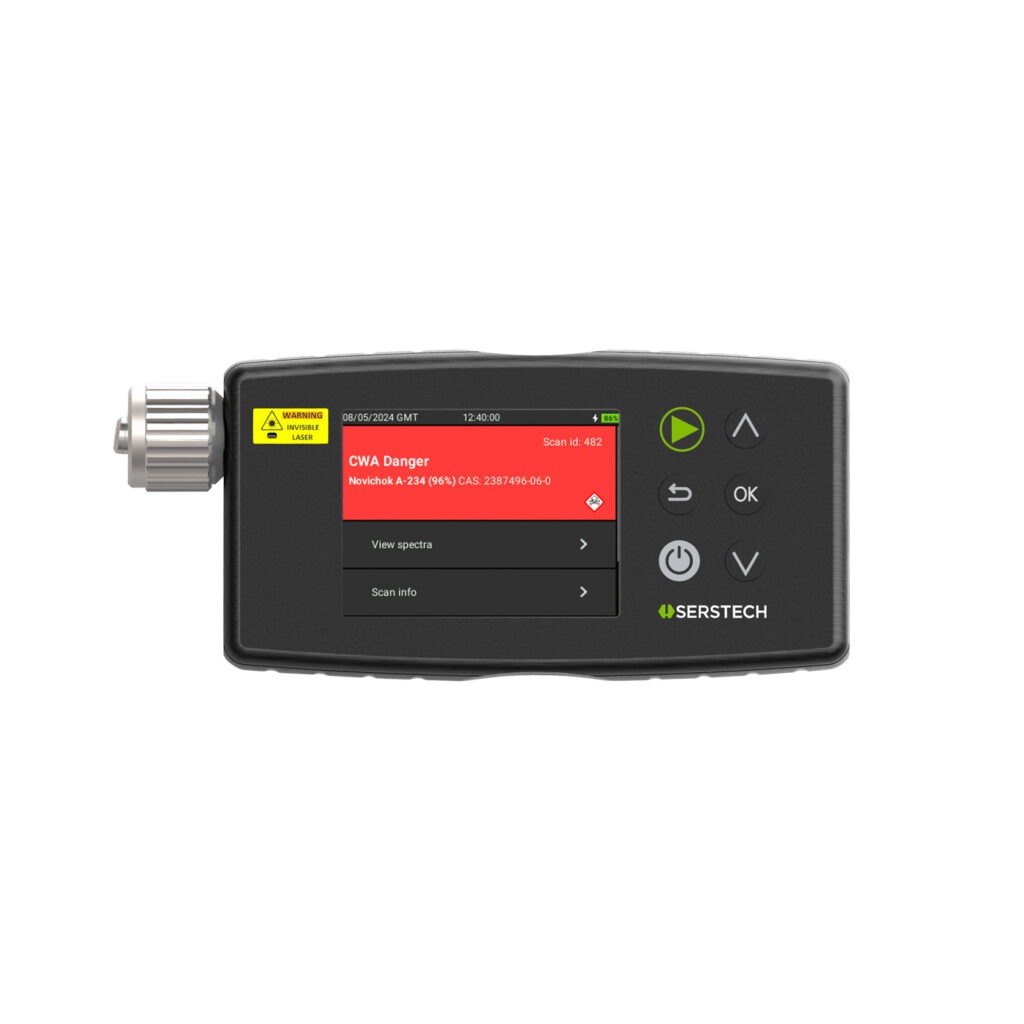
Raman spectrometer
Conclusion
Spectroscopy is a key technology in many scientific and industrial fields, and its value is highly appreciated. It allows researchers to analyze materials and substances without directly touching or destroying the sample. At Soliton, we understand the importance of these technologies and offer a wide range of spectrometers specifically designed to meet the diverse challenges of our customers.
Our spectrometers enable precise and fast measurements that are critical for quality control, material testing and environmental monitoring. By using LIBS, MID-IR, NIR and Raman spectroscopy, our customers can understand the chemical composition and molecular structure of their samples in real time, leading to faster decision-making processes and more efficient workflows.
Each type of spectroscopy has its own advantages and applications. From fast elemental analysis in LIBS spectroscopy to detailed molecular analysis in Raman spectroscopy. This broad range of applications makes our products indispensable tools in materials science, biomedicine, pharmaceuticals, chemical engineering and beyond.
